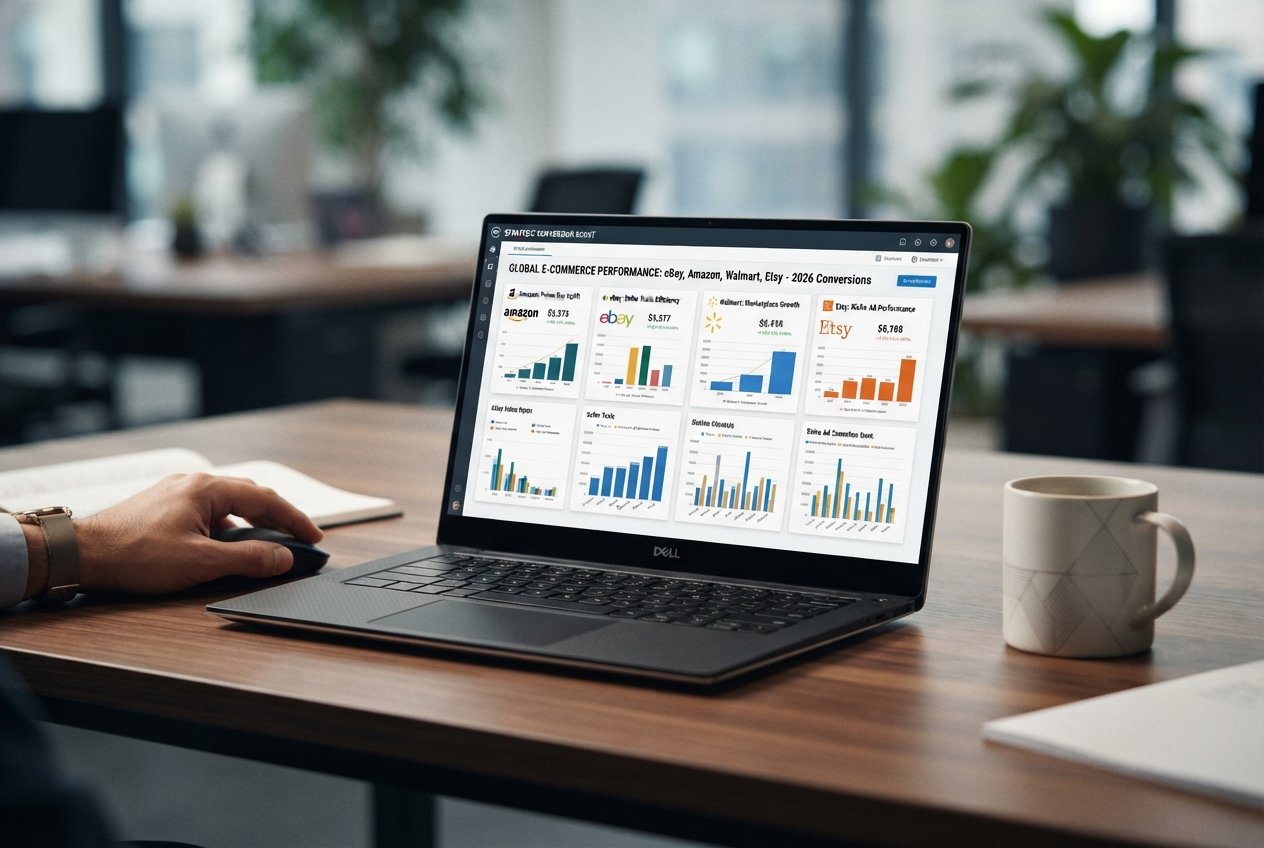

Most e-commerce businesses try to grow by spending more on ads. When sales are flat, the instinct is to buy more traffic. But if your store converts at 1%, doubling your traffic just doubles your ad spend. The real opportunity in 2026 is on the other side of the equation, in improving the percentage of visitors who actually buy.
A small improvement in conversion rate has a bigger effect than most people realise. Going from 1.5% to 2.5% does not sound like much, but it is a 66% increase in sales from the exact same amount of traffic. That is the kind of change that transforms a store's profitability without touching the ad budget.

Over the last year we have audited dozens of online stores, from small independent shops to larger multi-brand retailers. The same problems come up again and again. Slow pages, unclear product information, hidden shipping costs, and checkout flows that ask for too much information too early. Fixing these is usually cheaper than running another ad campaign.
In this article, we will walk through the practical changes that consistently improve e-commerce conversion rates in 2026, and how to prioritise them without rebuilding your entire store.
Before you touch anything else, make sure your store loads fast on mobile. Every extra second of load time costs you sales, especially on the product pages that customers actually buy from. Compress your images, remove unnecessary apps and scripts, and test on a real phone on a 4G connection rather than a desktop with fast wifi.
The other foundation is trust. Clear pricing, real reviews, secure payment icons, an obvious returns policy, and a genuine contact page all reduce the friction that stops people from buying. Customers have to feel safe before they hand over card details, and everything on your site either builds or undermines that feeling.
A product page has one job: help the customer decide. That means clear photos from multiple angles, a description written by someone who understands the product, and answers to the questions people actually ask. Size guides, delivery times, materials, and care instructions should all be visible without the user having to hunt for them.
Reviews are one of the strongest tools you have, but only if they are genuine and easy to read. Show the star rating next to the price, allow sorting by most recent, and make sure reviews appear on mobile without slowing the page. Fake or heavily moderated reviews do more harm than good, and customers can usually tell.
The single biggest source of lost sales in most stores is the checkout. Hidden costs shown only at the final step, forced account creation, too many form fields, and unclear delivery options are all common problems. A guest checkout option alone can lift conversions by a significant amount in many stores.
Show the total price early, offer several payment methods, and keep the whole process to as few steps as possible. Progress indicators help, but only if the steps are actually short. Every field you remove from the checkout is one less reason for a customer to abandon their cart.
The most effective e-commerce strategy in 2026 is not about finding new customers. It is about making sure the ones already arriving on your site actually complete their purchase. Fix the store, and every visit becomes worth more.
Your email address will not be published. Required fields are marked *


2026 © DevMorph. All rights reserved.